
design thinking and the visual arts in young India
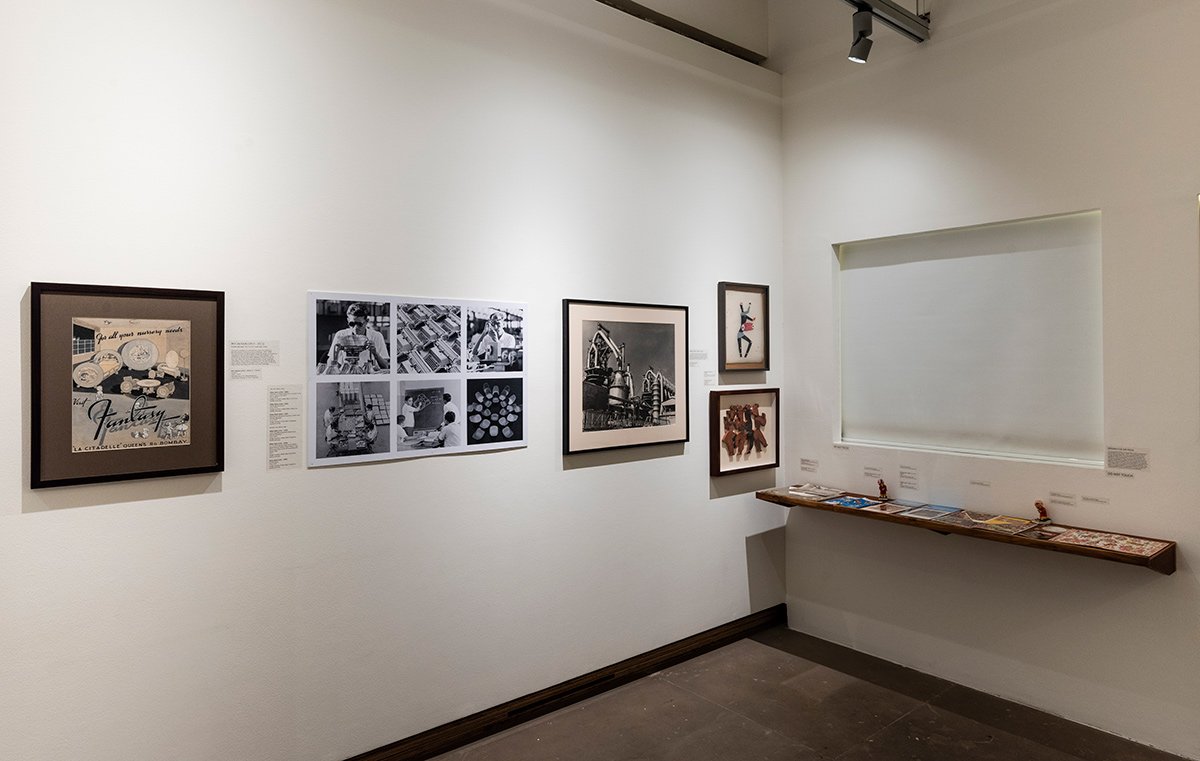
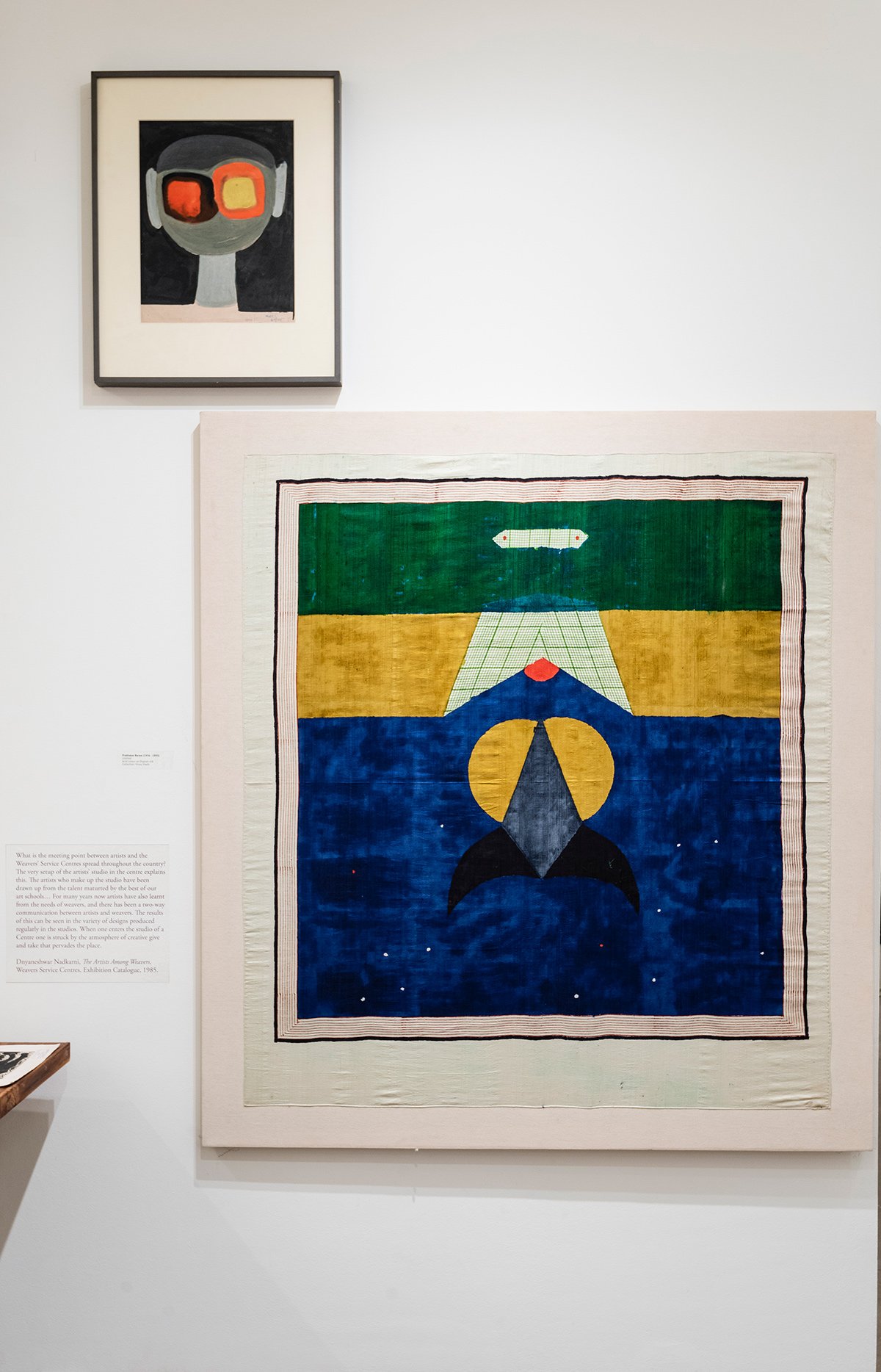
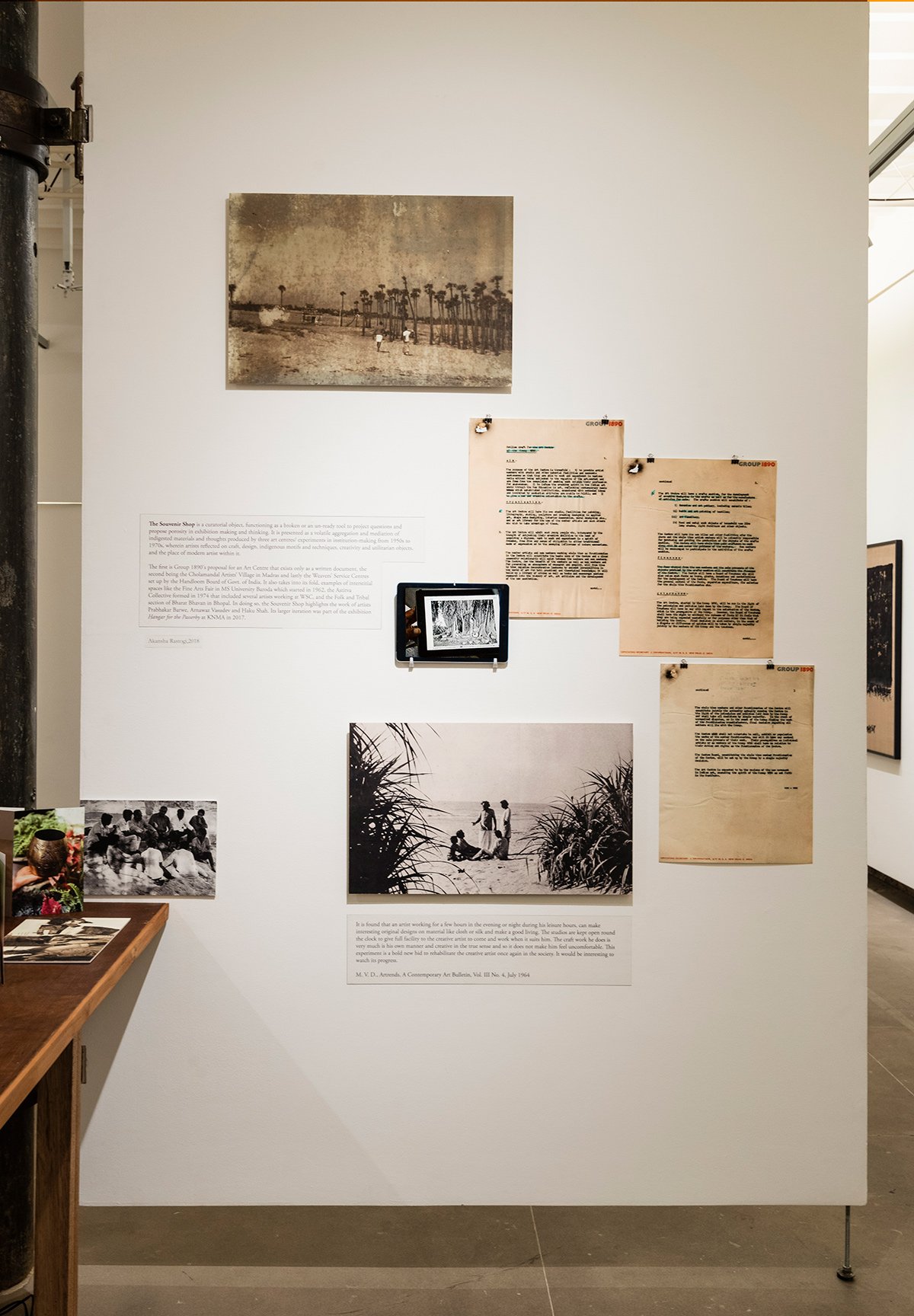
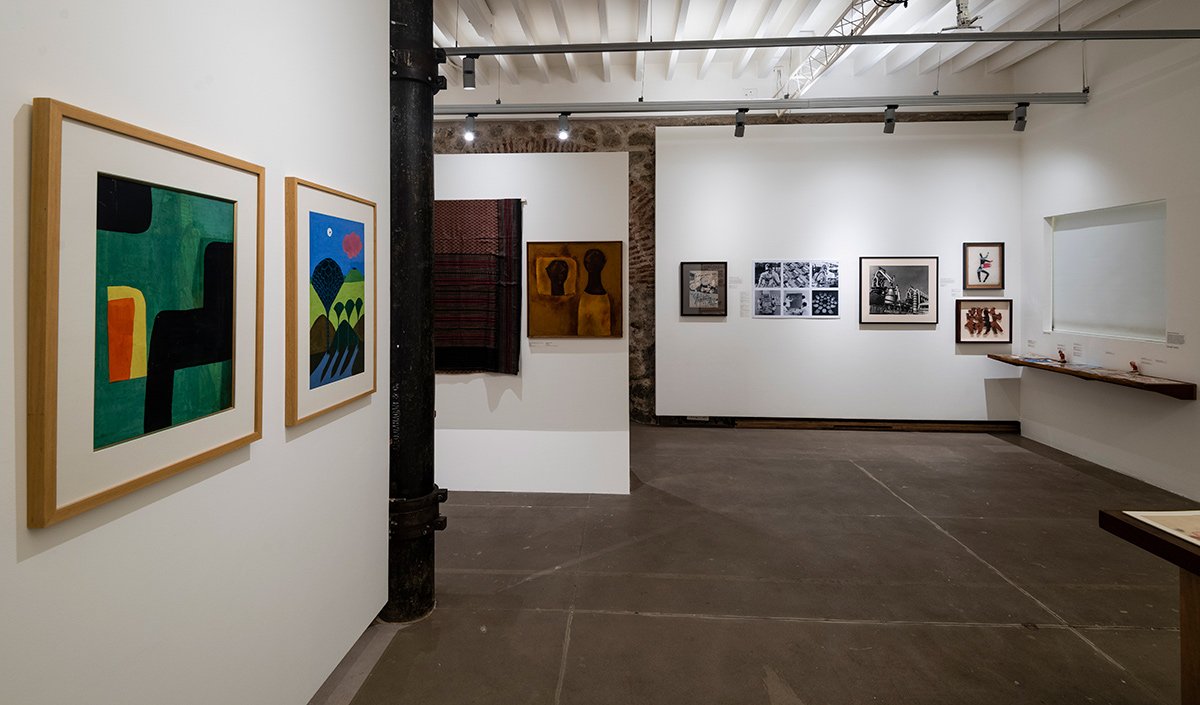
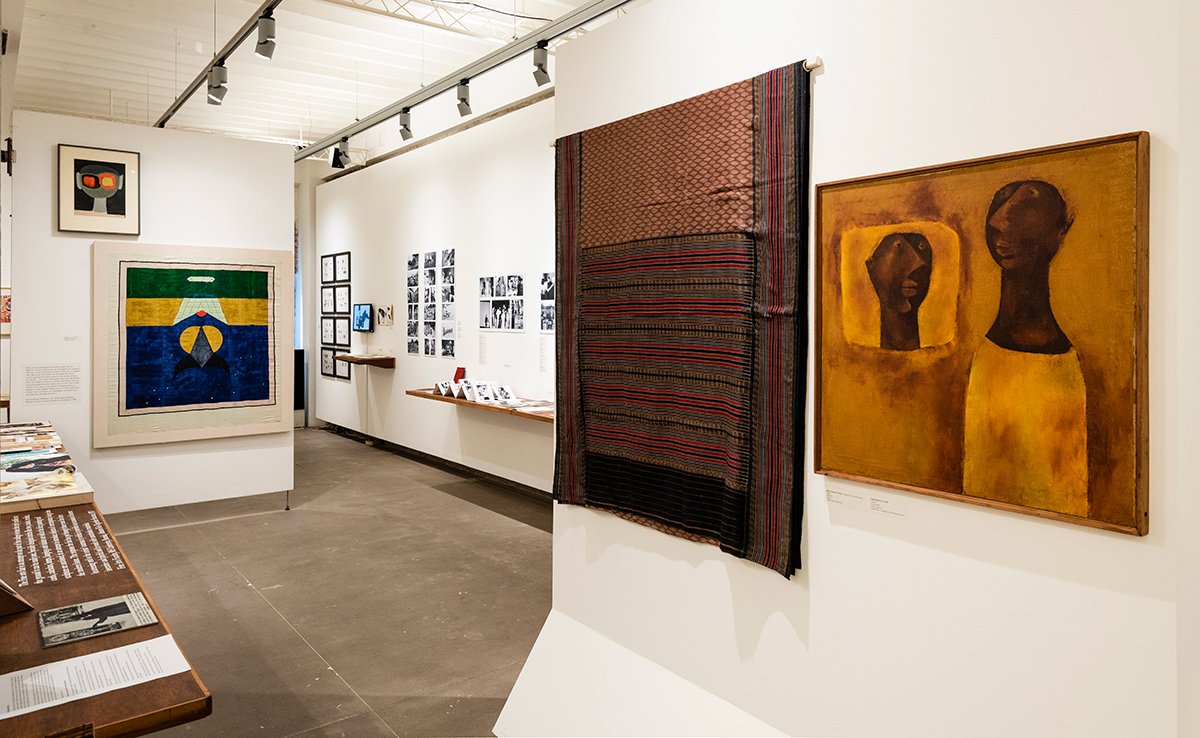
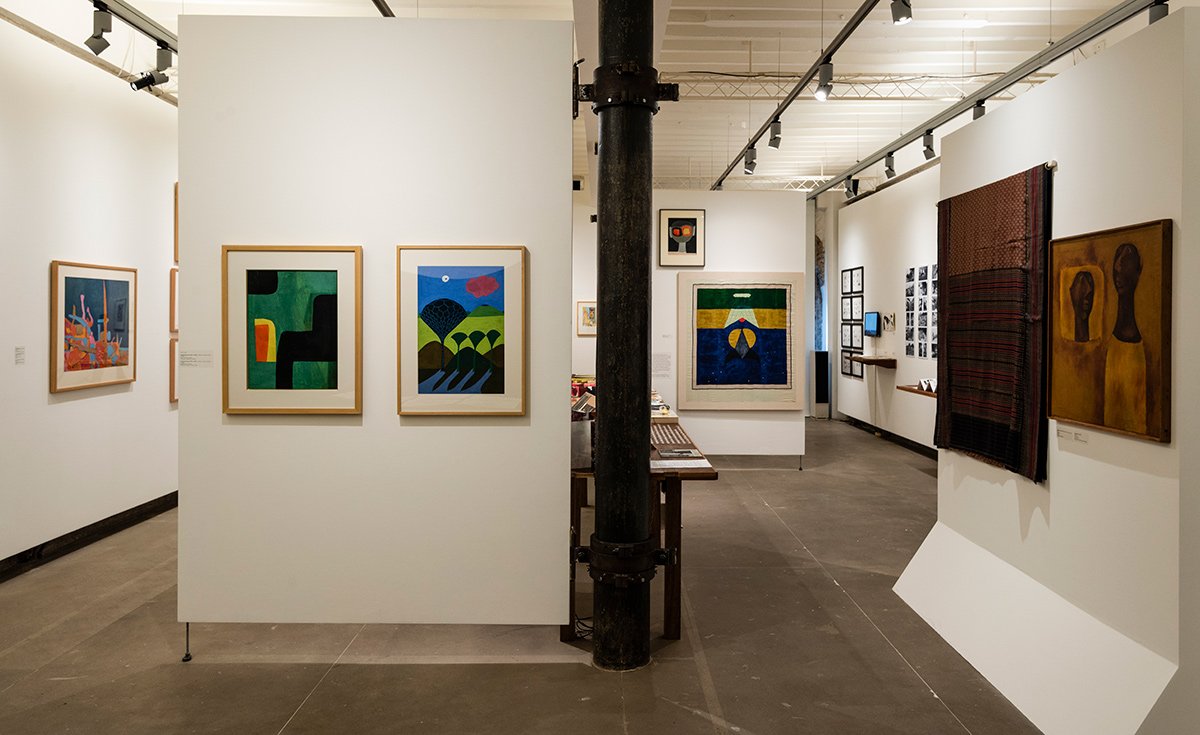
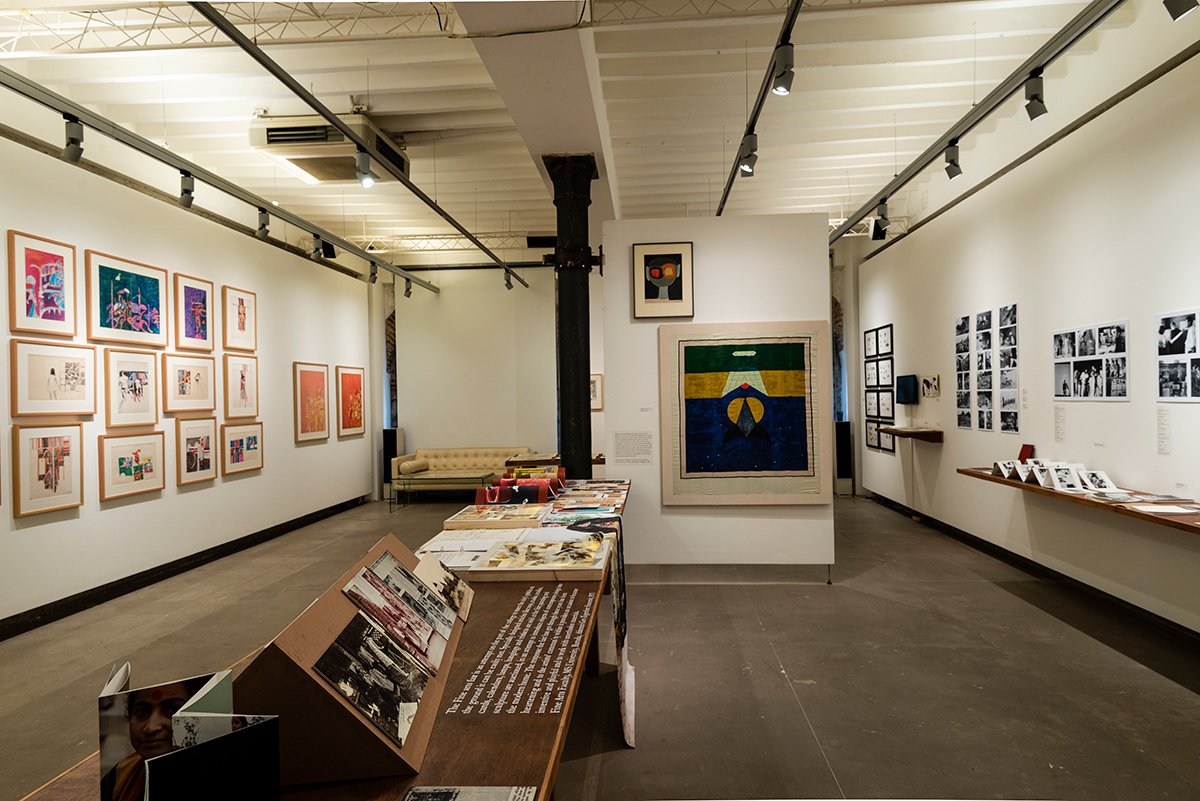
This is the first in a series of Chatterjee & Lal exhibitions charting design thinking in India during the 20 th Century. The exhibition looks at the cultural environment between the 1950s and the 1980s; one characterised by increasing fluidity between the disciplines of design and the visual arts. Perhaps more than any other individual, it was Pupul Jayakar who was responsible for these trends. Having influence at the very highest levels of government, she was able to obtain support for the creation of both the National Institute of Design (NID), Ahmedabad and the Weavers’ Service Centre (which was Pan-India).
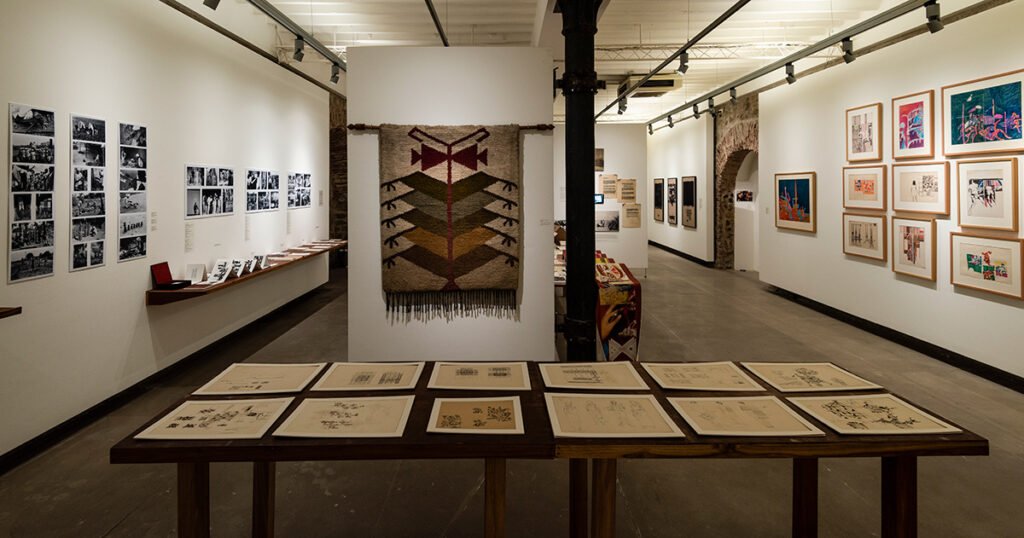
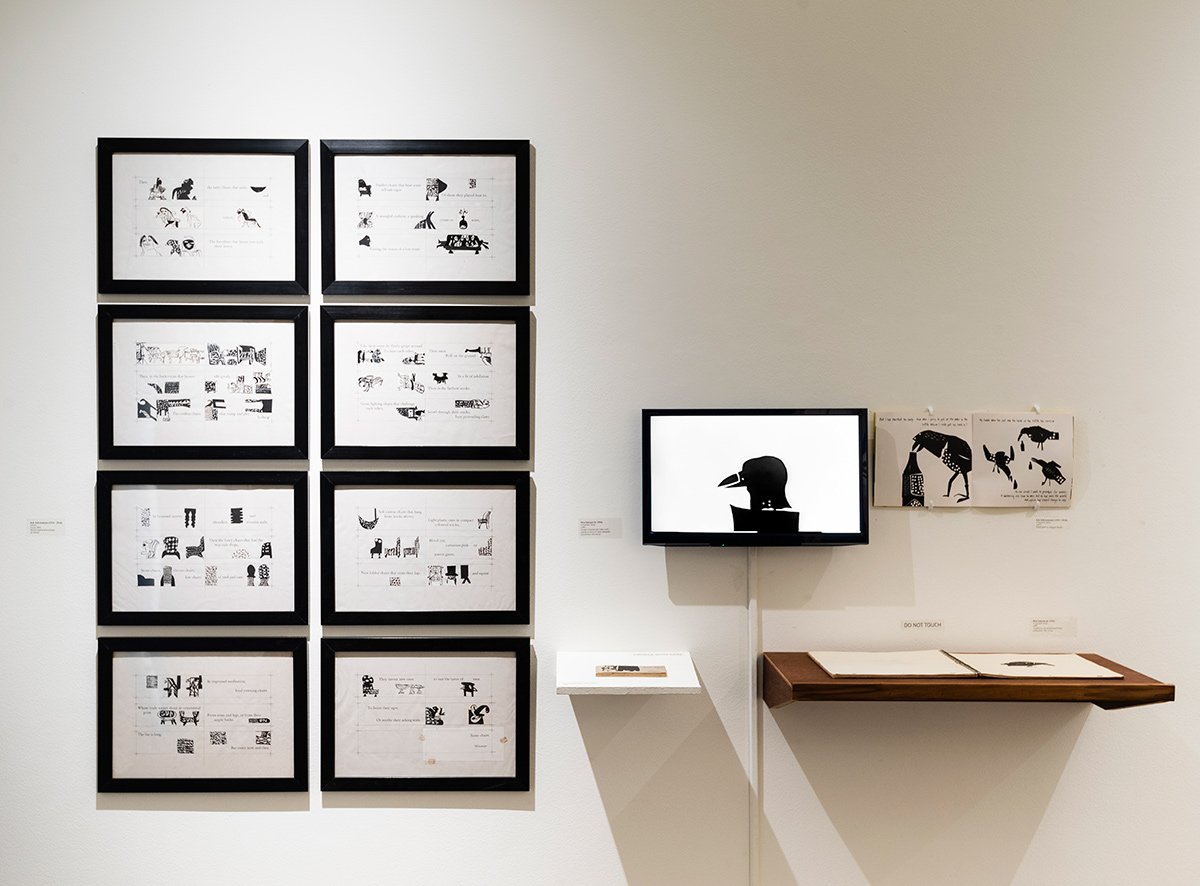
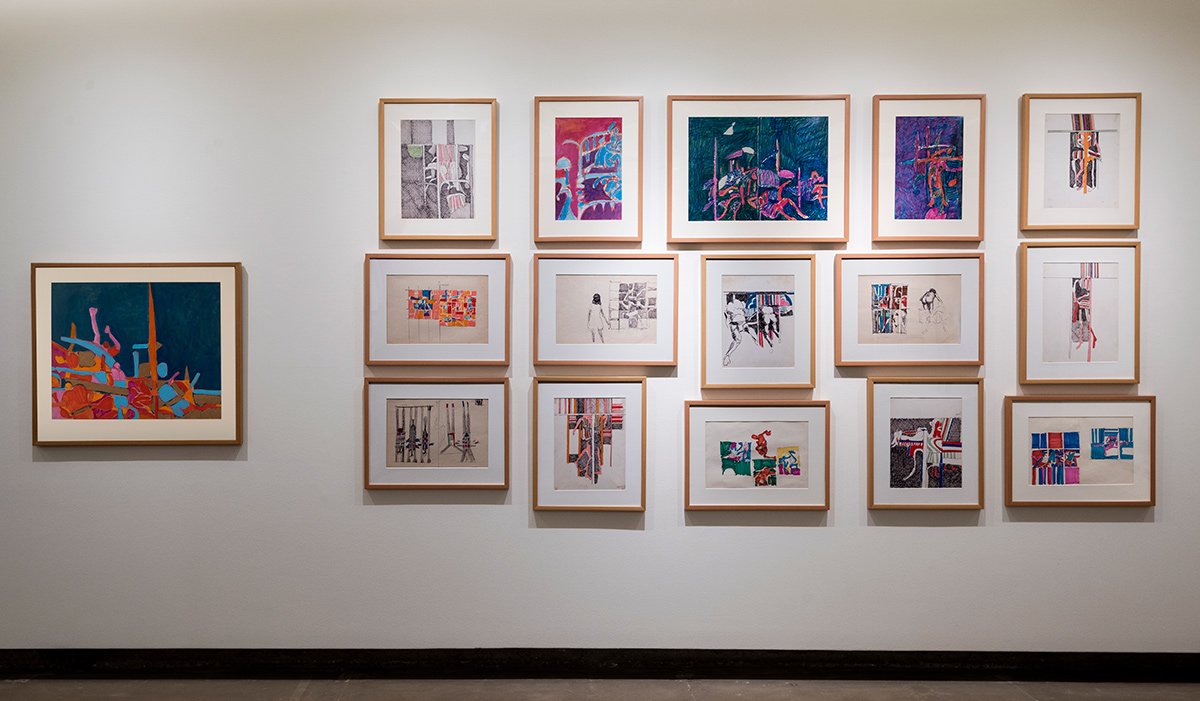
This exhibition celebrates the creative promiscuity of the era. It looks at disciplines as diverse as book design, animation, advertising, industrial design, photography, textile design and painting. At the same time, a sense of collegiality functions as the bedrock from which sprang many of the collaborations evident in IMPACT. It may not be surprising, then, that some of the practitioners featured are seen multiple times through the trajectory of the exhibition; this is the case with K.G. Subramanyan and Haku Shah. These two luminaries take their place alongside a host of other figures working between the fields of art and design in modern India: Nelly Sethna, Riten Mazumdar, Prabhakar Barwe, Mitter Bedi, and Sunil Janah. We also include the work of younger practitioners Sooni Taraporevala and Nina Sabnani.